Key Takeaways:
- Modernize the fixed backbone: Software modernization and DevSecOps can extend legacy radar capabilities without replacing systems or taking them offline.
- Add a relocatable sensing layer: Flexible, lower-cost radars can improve survivability, restore coverage, and scale configurations to theater needs.
- Connect the sensing enterprise: Open interfaces and common data standards can unite fixed and relocatable sensors across mission areas and accelerate response.
The threat environment that shaped the United States’ ground-based radar architecture no longer exists. What has replaced it is more complex, more distributed, and more dangerous. It includes ballistic and non-ballistic threats — hypersonic glide vehicles, cruise missiles, and maneuvering reentry vehicles — that defeat the trajectory assumptions that traditional radar architectures were built around:
- Hypersonic missiles compress decision timelines to minutes, leaving operators with a fraction of the response window current systems were designed to support.
- Proliferated missile arsenals multiply the number of simultaneous tracks any sensing architecture must manage.
- Adversary counter-space capabilities mean the satellite-based layers that once backstopped ground radars are themselves now at risk.
The question is no longer whether to modernize but how to do so with speed, affordability, and integration. The answer requires candor about what fixed infrastructure can and cannot do, along with the discipline to build around the constraints. Ultimately, it can be address through two complementary initiatives: hardening the legacy backbone with modernized software and investing in a relocatable layer that performs functions fixed infrastructure cannot.
Objective 1: Sustaining the backbone
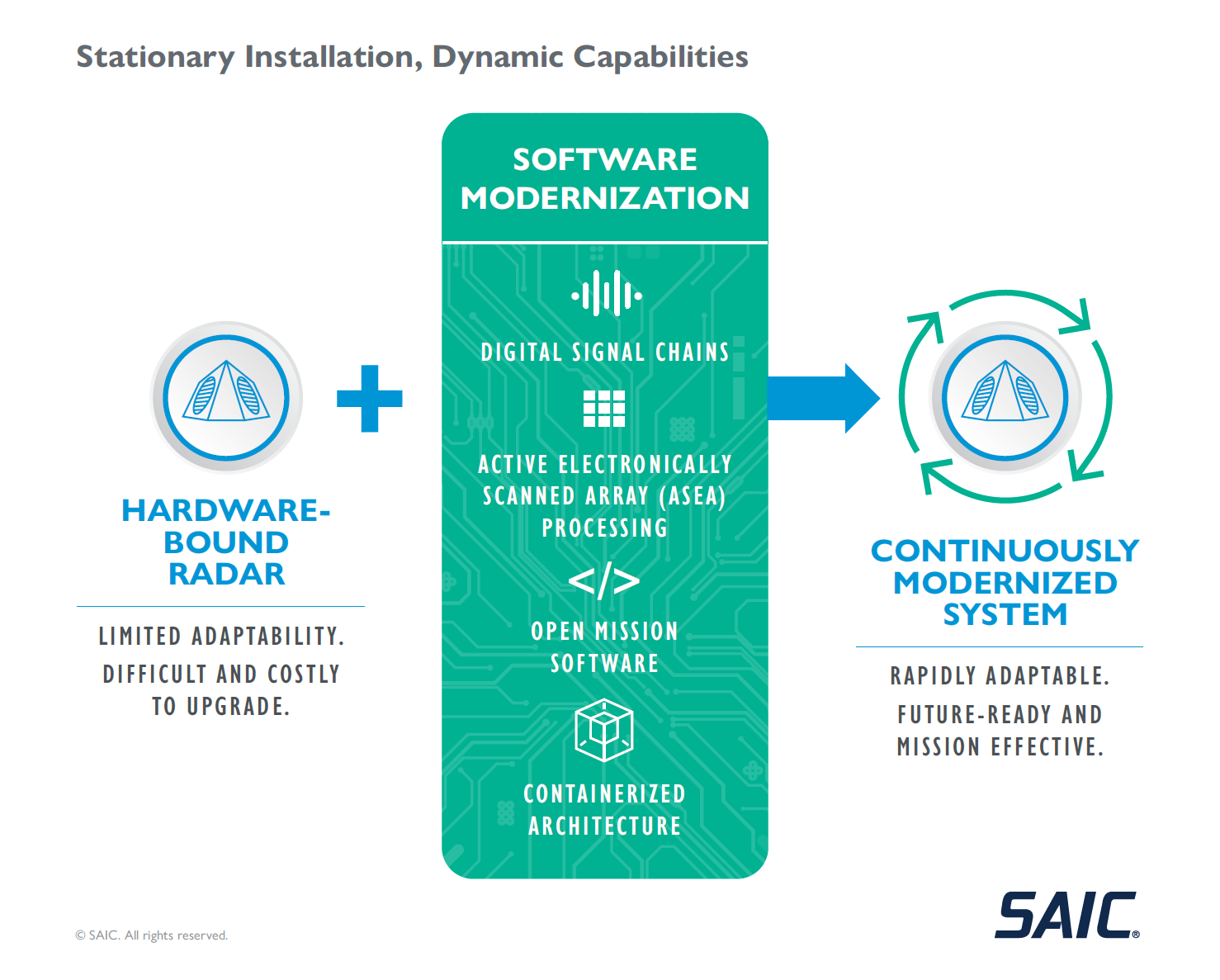
Figure 1. Stationary Installation, Dynamic Capabilities
Click image to enlarge
Fixed sites are and will remain the foundation of missile warning and missile defense. They can’t be rebuilt, but they can be updated via software modernization. A DevSecOps pipeline enables operators to deploy new algorithms and mission software against an evolving threat — without taking a system offline.
This approach is already in practice through work on a program focused on sustaining and modernizing mission-critical ground-based radar systems. This work has a clear goal of extending their operational life and capability without incurring the cost of replacement. These systems include the Upgraded Early Warning Radars and the Perimeter Acquisition Radar Attack Characterization System, with a clear goal of extending their operational life and capability without incurring the cost of replacement.
Objective 2: Installing a relocatable layer
Although software sustains the backbone’s effectiveness, it does not resolve the fundamental constraint of fixed location. That challenge requires a second layer: relocatable radars. This hardware offers flexibility and lower unit cost, making it possible to expand the range of sensing architectures.
This layer extends the legacy backbone into locations and postures that are impossible to support via fixed infrastructure and does so at a cost and timeline that makes broad deployment achievable.
Connectivity: The prerequisite for success
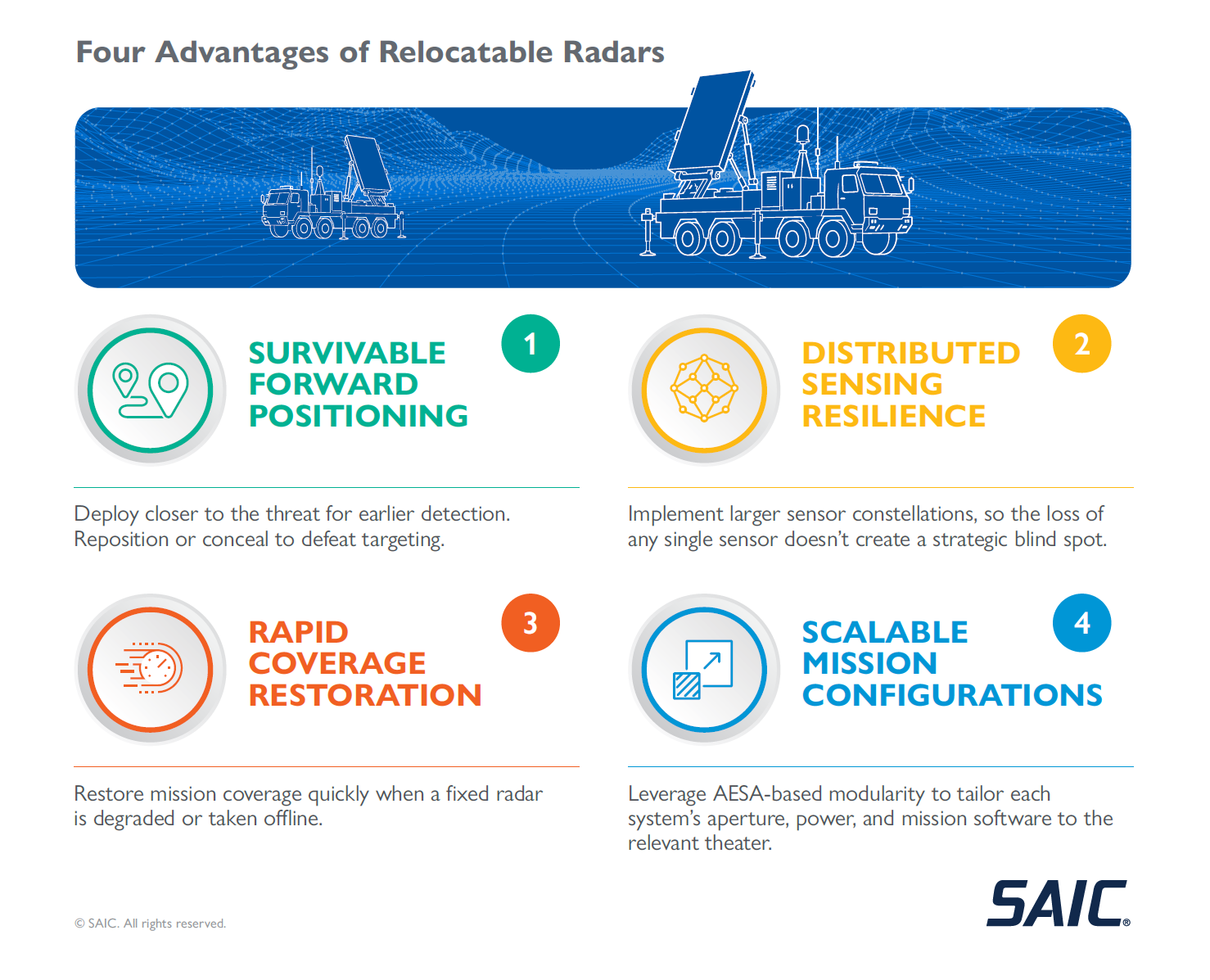
Figure 2. Four Advantages of Relocatable Radars
Click image to enlarge
To be effective, the backbone and new relocatable layer must function as a single system. That poses a significant challenge since the U.S. developed missile warning, missile defense, and space domain awareness around separate programs, data formats, and interfaces. A radar detecting a threat relevant to all three mission sets has too often delivered that data to only one. In other words, today’s collection of capable yet fragmented sensors has resulted in a sensing layer that’s less than the sum of its parts.
The solution is to modernize data exchange with open interfaces and common data standards. This approach enables a relocatable radar to enter a theater and integrate into the existing operating environment instead of becoming yet another stovepipe. The necessary technology already exists; what has been missing is the discipline to require it from the outset across programs, owners, and funding lines.
The operational impact would be significant, enabling an early-warning radar to cue a fire-control-quality tracker. The fused track reaches missile defense operators, theater commanders, and Space Force personnel in near-real-time. The interval between detection and response compresses to a degree that no single sensor upgrade can match. Such compression represents more than a performance improvement; it is a strategic necessity.
Integration across mission areas
Solving this challenge requires an integrator with demonstrated experience across the full sensing enterprise: missile warning, missile defense, and space domain awareness, as well as the ground station infrastructure that connects them. It also requires proven experience sustaining and modernizing legacy systems within an evolving architecture.
That combination of mission breadth, technical depth, and proven performance is what separates a capable vendor from a true enterprise partner. With a capable relocatable layer and the standards to connect it to the fixed backbone, legacy ground radar becomes a foundation instead of a vulnerability, and the United States gains a sensing enterprise capable of meeting today’s threat environment.
About the Authors:

Dr. Jonathan Welch 
Vice President, Missile Warning, Tracking & Defense and Ranges
Dr. Jonathan Welch is Vice President of Missile Warning, Tracking & Defense and Ranges at SAIC, where he leads programs focused on detecting, tracking, and defeating missile threats and sustaining the test and training infrastructure that supports those capabilities. Drawing on more than four decades of experience in systems engineering, digital transformation, and defense space and ground systems, he helps advance resilient, integrated architectures across missile warning, command and control, space-based sensing, and satellite sustainment.

Praveen J. Kurian
Senior Vice President, SAIC Defense and Civil Space Market